
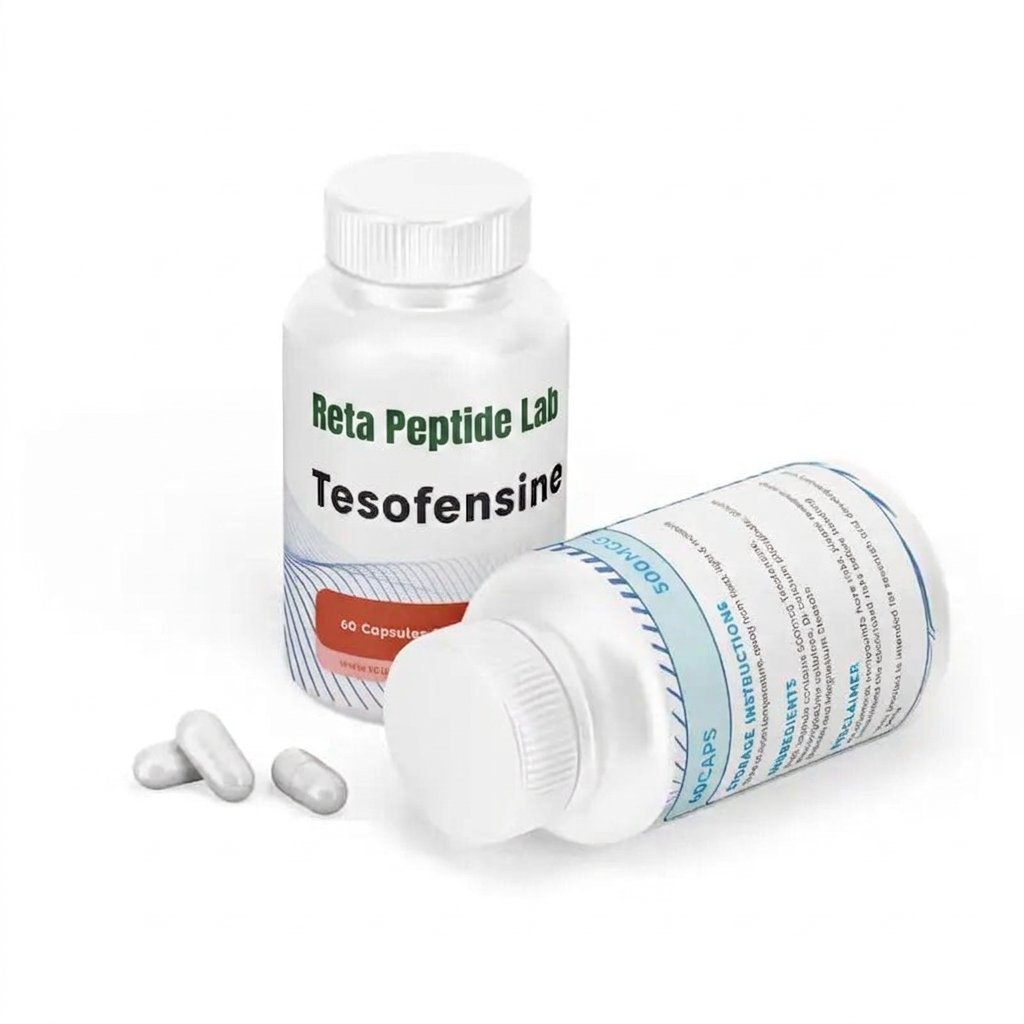

The landscape of molecular biology is continuously expanding, with synthetic and naturally occurring peptides at the forefront of cellular studies. This comprehensive guide explores foxo4-dri.
Research Applications
Current literature suggests that the primary application for this compound involves the study of metabolic and restorative pathways. When introduced to cellular cultures, the peptide acts as a signaling molecule, initiating a cascade of biological responses. Researchers are particularly interested in its potential to influence gene expression and protein synthesis over extended periods.
For high-quality materials to support your studies, explore our verified FoxO4-DRI available for researchers in the UK and Europe.
Laboratory Preparation and Reconstitution
Proper preparation is critical. Lyophilized peptides must be reconstituted using sterile bacteriostatic water or a similar solvent to prevent bacterial contamination. The process requires a gentle swirling motion rather than aggressive shaking, which can fracture the fragile peptide bonds. Once reconstituted, the solution must be stored in a temperature-controlled environment, typically between 2°C and 8°C.
Further Reading
To cross-reference the latest clinical data and peer-reviewed studies regarding peptide mechanisms, we recommend consulting resources such as ScienceDirect.
Disclaimer: All products provided by Reta Peptide Lab are exclusively for research purposes. They are not for human consumption.