

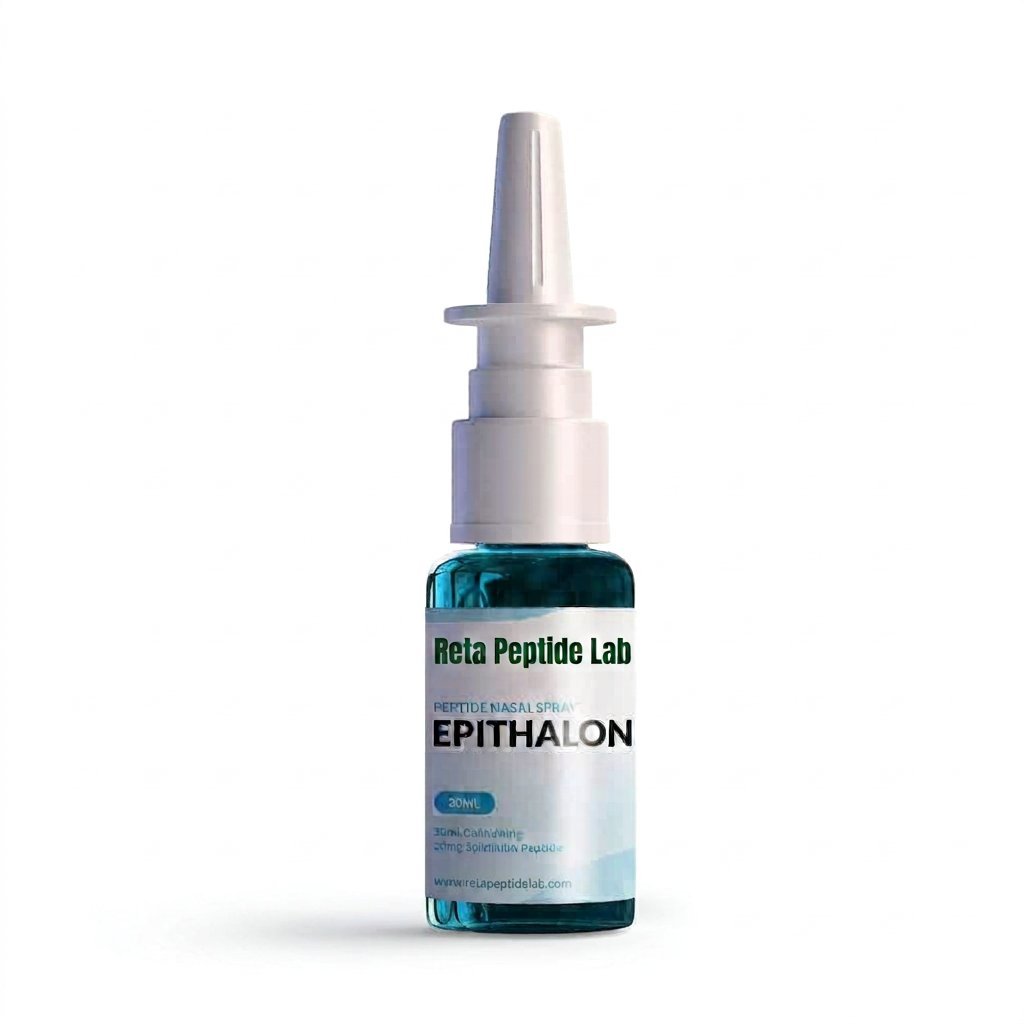
 In addition to Melanotan II, there are several other peptides that are gaining significant attention in the field of sleep research, notably Epithalon and Delta Sleep-Inducing Peptide (DSIP).
 Another peptide that is becoming increasingly important in sleep research is DSIP, or Delta Sleep-Inducing Peptide. DSIP is a naturally occurring peptide in the body, known for its remarkable ability to induce non-REM sleep—the deepest phase of sleep that is critical for both physical recovery and memory consolidation.
References:
(1) Bes F, Hofman W, Schuur J, Van Boxtel C. Effects of delta sleep-inducing peptide on sleep of chronic insomniac patients. A double-blind study. Neuropsychobiology. 1992;26(4):193-7.
(2) Nakamura A, Nakashima M, Sugao T, Kanemoto H, Fukumura Y, Shiomi H. Potent antinociceptive effect of centrally administered delta-sleep-inducing peptide (DSIP). Eur J Pharmacol. 1988 Oct 18;155(3):247-53.
(3) Khvatova EM, Samartzev VN, Zagoskin PP, Prudchenko IA, Mikhaleva II. Delta sleep inducing peptide (DSIP): effect on respiration activity in rat brain mitochondria and stress protective potency under experimental hypoxia. Peptides. 2003 Feb;24(2):307-11.
Sleep Peptides FAQs
How does DSIP compare to traditional sleep aids?
DSIP administered by nasal spray is taken straight into the bloodstream, allowing for a quicker onset of action than oral drugs, which must go through the digestive system. Conventional sleep aids frequently rely on sedative effects, which can cause dependence or drowsiness. DSIP, on the other hand, regulates circadian rhythms and naturally encourages deep, restorative sleep without the same risk of adverse effects. Because it provides a more focused and possibly safer approach, DSIP is a prospective substitute for sleep disorder research.
By affecting sleep-wake cycles, DSIP significantly contributes to the body’s circadian rhythm regulation. Restoring the body’s natural cycles requires deep, non-REM sleep, which is facilitated by its interaction with the central nervous system. Studies have demonstrated that DSIP improves circadian rhythm synchronization, especially in people with irregular sleep schedules. DSIP aids in preserving the equilibrium of the body’s internal clock, which controls a number of physiological functions like hormone release, metabolism, and energy levels, by enhancing the quantity and quality of sleep. Because of this, it is a useful tool for studying circadian rhythms and sleep.
Are there other peptides similar to DSIP for sleep research?
Several peptides, similar to DSIP, are being explored in sleep research for their unique benefits. Epithalon, known for its anti-aging properties, helps regulate circadian rhythms and improve sleep by influencing melatonin production. Melanotan II, while primarily studied for skin pigmentation, shows potential in promoting relaxation and aiding sleep regulation. Cerebrolysin, a peptide-based compound, supports brain health and may enhance sleep by reducing stress and improving cognitive recovery.
How quickly does DSIP nasal spray take effect compared to oral sleep aids?
DSIP nasal spray typically takes effect much faster than oral sleep aids due to its direct absorption through the nasal mucosa into the bloodstream. Unlike oral medications, which must pass through the digestive system and liver before becoming active—a process that can take 30 minutes to an hour—nasal sprays bypass this route entirely.
Can DSIP nasal spray help with chronic insomnia in research subjects?
DSIP nasal spray shows potential in helping with chronic insomnia in research subjects by promoting deep, restorative sleep and regulating disrupted sleep cycles. Unlike traditional sleep aids that often act as sedatives, DSIP works by naturally enhancing the body’s ability to achieve non-REM sleep, which is critical for physical recovery and cognitive function.
ALL PRODUCT INFORMATION AND ARTICLES ON THIS SITE ARE FOR EDUCATIONAL PURPOSES ONLY
DISCLAIMER: All products sold by Reta Peptide Lab are for research and laboratory use only. These products are not designed for use or consumption by humans or animals. They are not to be classified as a drug, food, cosmetic, or medicinal product and must not be mislabelled or used as such. By purchasing from our Website the buyer accepts and acknowledges the risks involved with handling of these products. All articles and product information provided on this Website are for informational and educational purposes only. Handling and use of these products should be restricted to suitably qualified professionals.
-
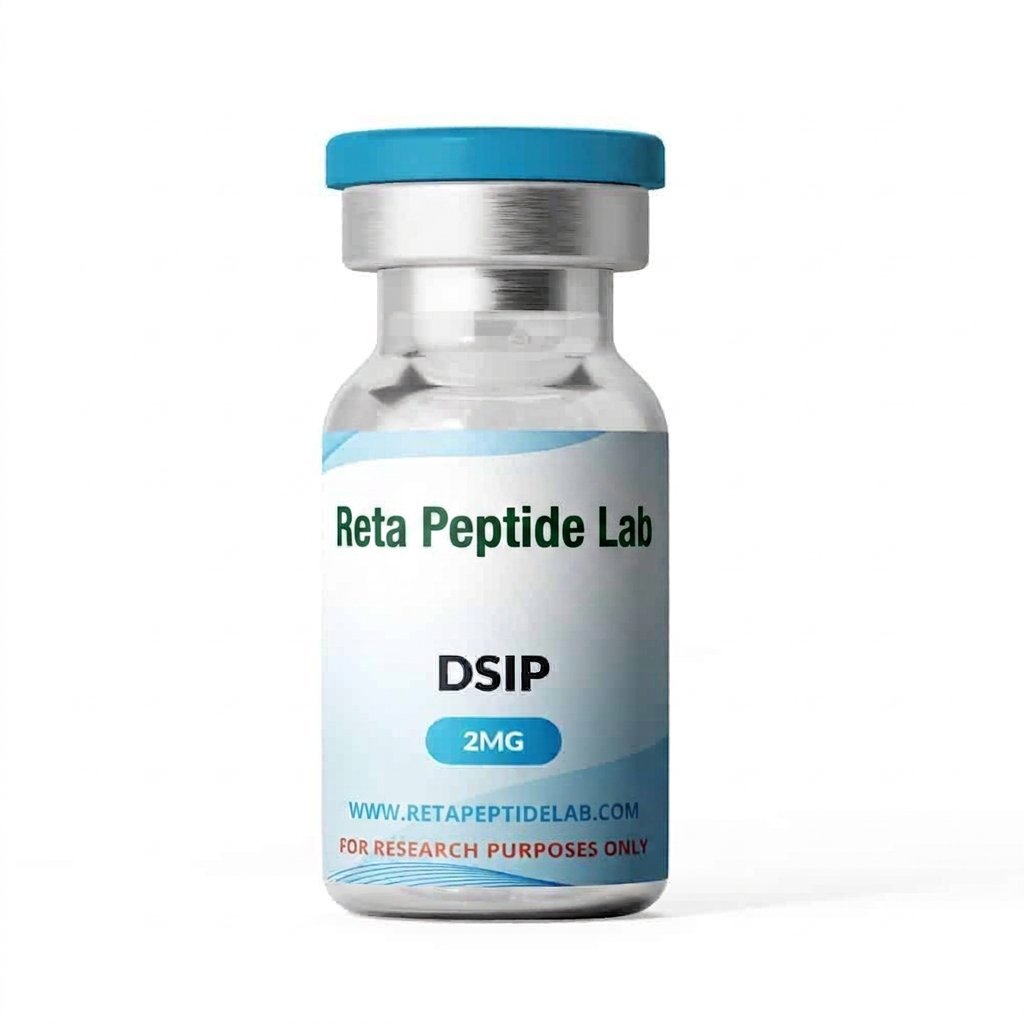
15% OFF MULTI PACK
DSIP Peptide Vial
Price range: £21.52 through £73.17
Select options
This product has multiple variants. The options may be chosen on the product page -

DSIP Pre-Mixed Pen 5mg
Price range: £37.75 through £101.93
Select options
This product has multiple variants. The options may be chosen on the product page -
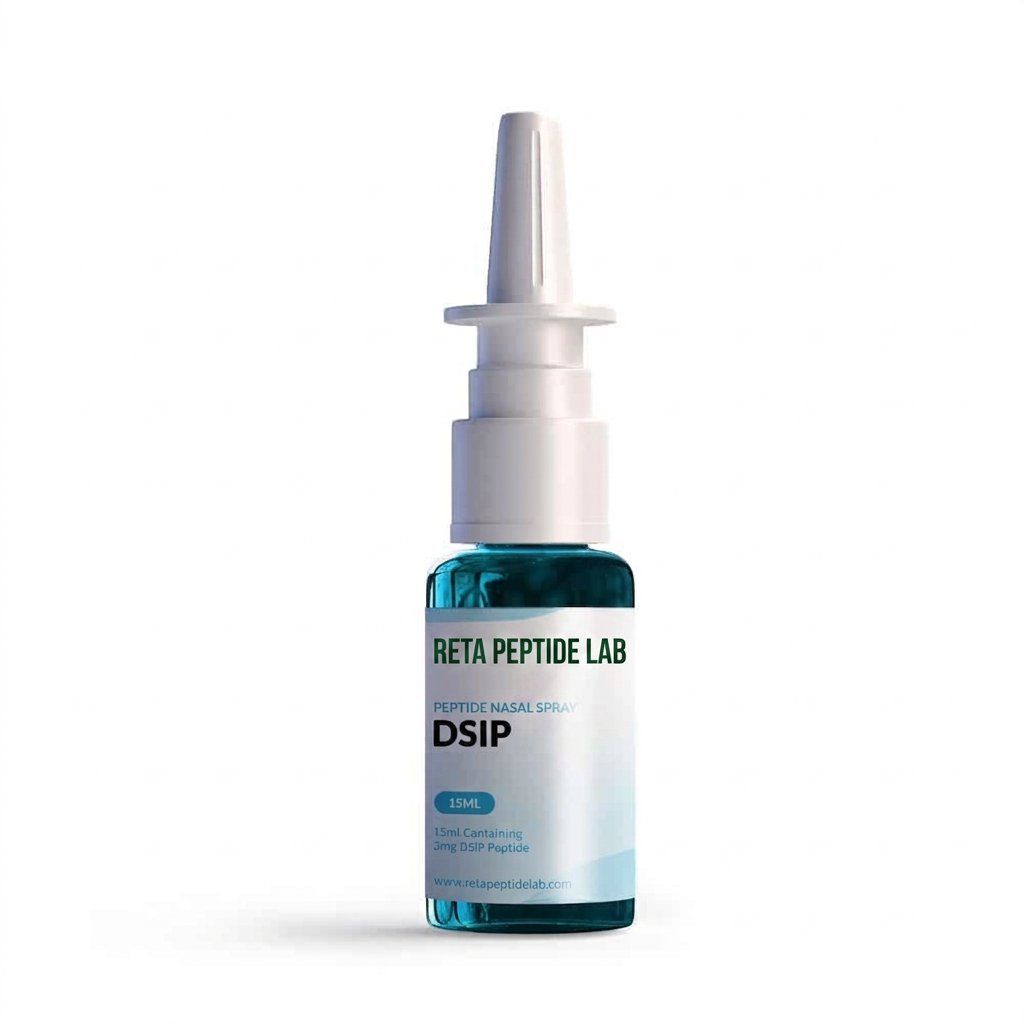
DSIP Nasal Spray
Price range: £29.52 through £54.04
Select options
This product has multiple variants. The options may be chosen on the product page -
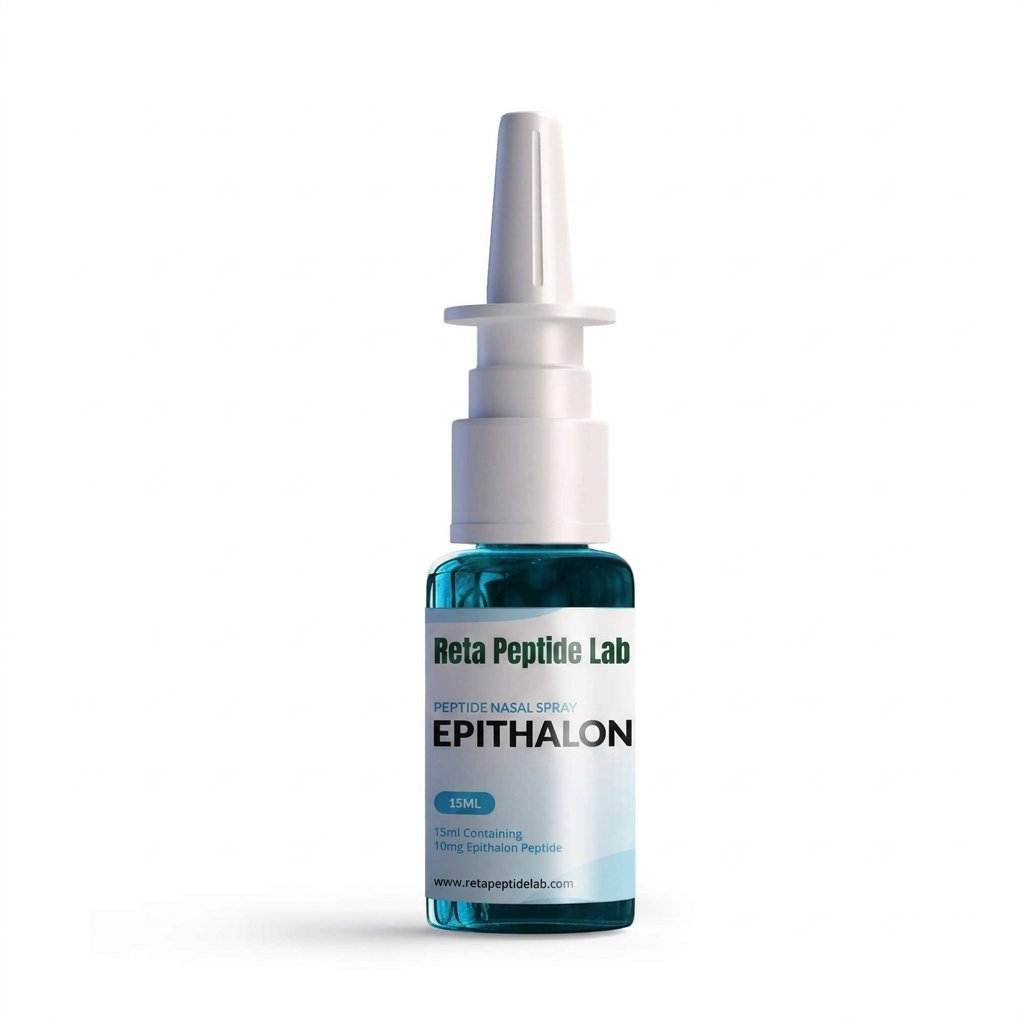
Epithalon Nasal Spray
Price range: £22.28 through £39.56
Select options
This product has multiple variants. The options may be chosen on the product page
FREQUENTLY ASKED QUESTIONS

Do you offer delivery insurance?
We offer Shipping Protection that guarantees your delivery. Learn More Here for further information.

How do I cancel an order?
Contact us immediately as unfortunately we cannot cancel an order once it is processed and dispatched. See Details here.

How long until delivery?
Orders are processed within 24-48 hours. International shipping times vary. Learn More Here for further details.
WE SUPPLY PRODUCTS ALL OVER THE WORLD – INCLUDING THE LIST BELOW.
ALL PRODUCTS AVAILABLE ON THIS WEBSITE ARE FOR RESEARCH PURPOSES ONLY.
DISCLAIMER: All products on this site retapeptidelab.com are exclusively for research and laboratory purposes only. The products on this site are not intended for use in humans or animals, nor are they designed to diagnose, treat, cure or prevent any illness. All information and content provided on our Reta Peptide Lab website are purely for educational purposes. All products are to be handled by suitably qualified and properly trained research professionals only.

Shipping partners