
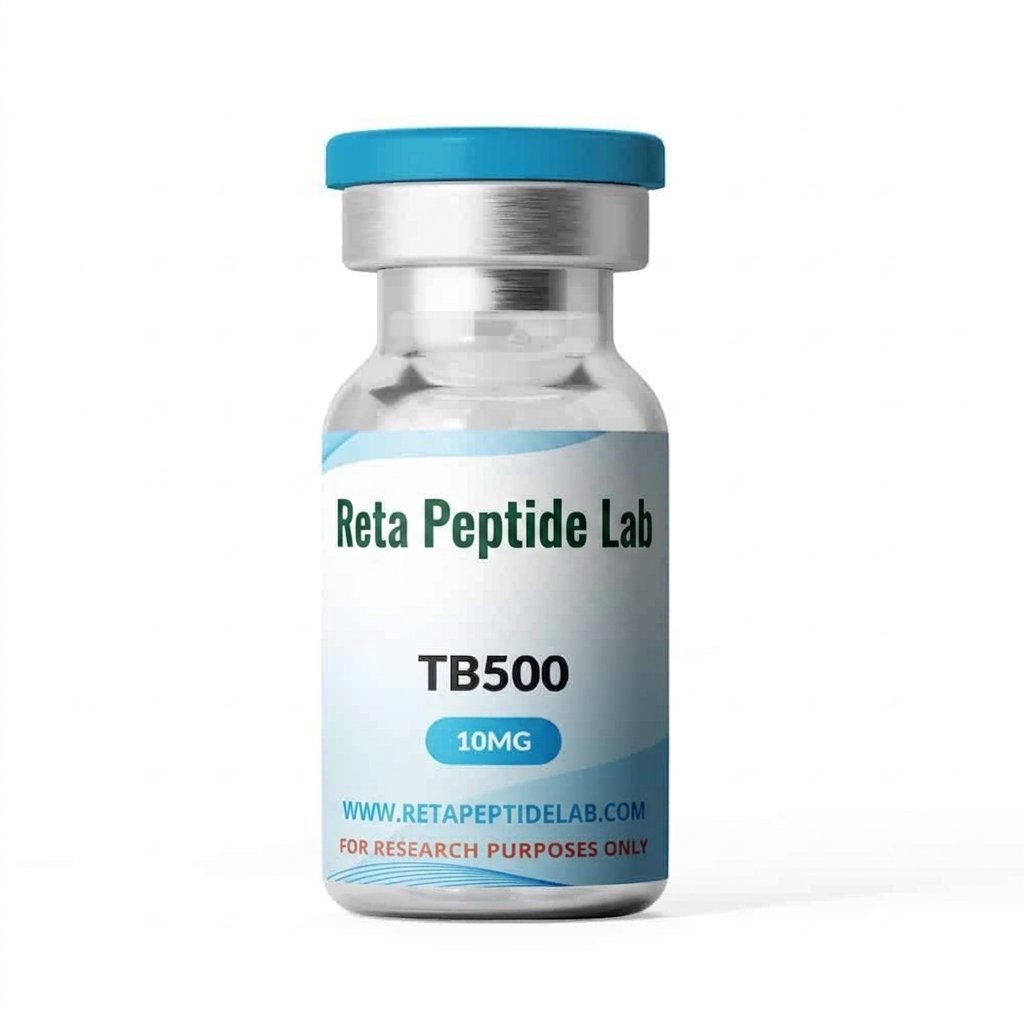
Understanding Thymosin Alpha-1 Thymosin Alpha-1 (Tα1) is a 28-amino acid peptide originally isolated from the thymus gland. It is widely recognized in scientific literature as a potent endogenous immunomodulator. In laboratory settings, Tα1 is primarily studied for its ability to regulate and augment the cellular immune response. T-Cell Maturation and Efficacy The core mechanism of Tα1 revolves around the maturation of T-cells. In vitro analyses reveal that Tα1 stimulates the differentiation of stem cells into functional T-cells. Furthermore, it enhances the expression of critical cellular markers, including CD4+ and CD8+, which are essential for recognizing and neutralizing foreign pathogens in cellular models. Reversing T-Cell Exhaustion Recent research data highlights Tα1’s potential in reversing T-cell exhaustion—a state where immune cells lose their functional efficacy due to prolonged exposure to antigens. By decreasing the expression of exhaustion markers like PD-1 and Tim-3, Tα1 effectively restores the proliferative and cytotoxic capabilities of exhausted T-cells in laboratory environments. Future Research Trajectories Given its profound impact on immune reconstitution and thymus output, researchers continue to evaluate Tα1 in models of severe immunosuppression, viral pathogenesis, and vaccine efficacy enhancement. Disclaimer: Thymosin Alpha-1 is strictly supplied for laboratory, in vitro, and research applications.
Ipamorelin: Exploring a Highly Selective Growth Hormone Secretagogue
The Unique Profile of Ipamorelin Among synthetic peptides, Ipamorelin occupies a unique position due to its exceptional receptor specificity. It is a pentapeptide (Aib-His-D-2-Nal-D-Phe-Lys-NH2) that functions as a selective agonist of the ghrelin/growth hormone secretagogue receptor. Mechanism of Action Ipamorelin triggers the release of growth hormone from the anterior pituitary by mimicking the action of endogenous ghrelin. However, what makes Ipamorelin highly valuable in laboratory environments is what it does not do. In vitro studies confirm that, unlike other compounds in its class, Ipamorelin does not stimulate the secretion of ACTH, cortisol, or prolactin, even at high concentrations. Pharmacodynamics in Research Due to its high selectivity, researchers utilize Ipamorelin to isolate the effects of GH release without confounding variables introduced by stress hormones. It exhibits a relatively slow and stable clearance rate compared to other secretagogues, providing a prolonged, naturalistic pulse of GH in cellular and physiological models. Research Implications The peptide is currently being evaluated in models focusing on bone density preservation, cellular repair, and metabolic homeostasis. Its lack of secondary endocrine interference makes it the preferred secretagogue for highly controlled laboratory investigations. Disclaimer: Ipamorelin is intended solely for scientific research and laboratory use.
Semax: A Scientific Perspective on Neuropeptides in Contemporary Research
Introduction to Semax In the field of neurobiology, Semax has emerged as a peptide of significant interest. It is a synthetic heptapeptide derived from a fragment of the adrenocorticotropic hormone (ACTH), specifically ACTH(4-10). Unlike its parent hormone, Semax exerts zero hormonal activity, making it a pure focus for neurological research. Modulation of BDNF and NGF The primary mechanism of action observed in laboratory environments is Semax’s profound ability to upregulate Brain-Derived Neurotrophic Factor (BDNF) and Nerve Growth Factor (NGF). These neurotrophins are critical for the survival, development, and function of neurons. By increasing the expression of these factors, Semax accelerates neurogenesis and synaptogenesis in vitro. Neuroprotection in Hypoxic Models Extensive cellular research has demonstrated Semax’s neuroprotective properties. When neuronal cells are exposed to hypoxic (low oxygen) conditions or oxidative stress, the introduction of Semax has been shown to stabilize cellular membranes and reduce the rate of apoptosis (programmed cell death). This positions it as an invaluable tool for researchers studying stroke models and neurodegenerative pathways. Conclusion As a highly stable and non-hormonal peptide, Semax remains a focal point in contemporary neurological research aimed at understanding cognitive preservation and synaptic plasticity. Disclaimer: Semax is provided by Reta Peptide Lab strictly for in vitro laboratory evaluation.
GHRP-2 vs. GHRP-6: What Research Reveals About Two Classic Secretagogues
The Evolution of GHRPs Growth Hormone Releasing Peptides (GHRPs) are a foundational class of compounds in endocrine research. GHRP-2 (Pralmorelin) and GHRP-6 are two of the most historically significant peptides in this category. GHRP-6: The First Generation GHRP-6 is a first-generation hexapeptide. It binds to the ghrelin receptor to stimulate GH release. In laboratory settings, one of the most frequently observed secondary effects of GHRP-6 is its strong stimulation of the hunger pathway (ghrelin mimicry). Additionally, it is known to mildly elevate cortisol and prolactin in physiological models. GHRP-2: Enhanced Potency GHRP-2 is considered a second-generation compound. Molecular studies indicate that GHRP-2 is significantly more potent at stimulating GH release compared to GHRP-6. While it also binds to the ghrelin receptor, it induces a much weaker hunger response in cellular models. However, its impact on cortisol and prolactin elevation can be slightly higher than that of GHRP-6 depending on the concentration. Choosing Between GHRP-2 and GHRP-6 For researchers, the choice between these two compounds depends heavily on the parameters of the study. If the investigation is focused purely on maximizing GH output, GHRP-2 is typically selected. If the study involves observing gastric motility or ghrelin-induced hunger pathways, GHRP-6 serves as the superior experimental tool. Disclaimer: All peptide products are restricted to laboratory and research use.

CJC-1295 With DAC vs Without DAC: Pharmacokinetics & Endocrine Response
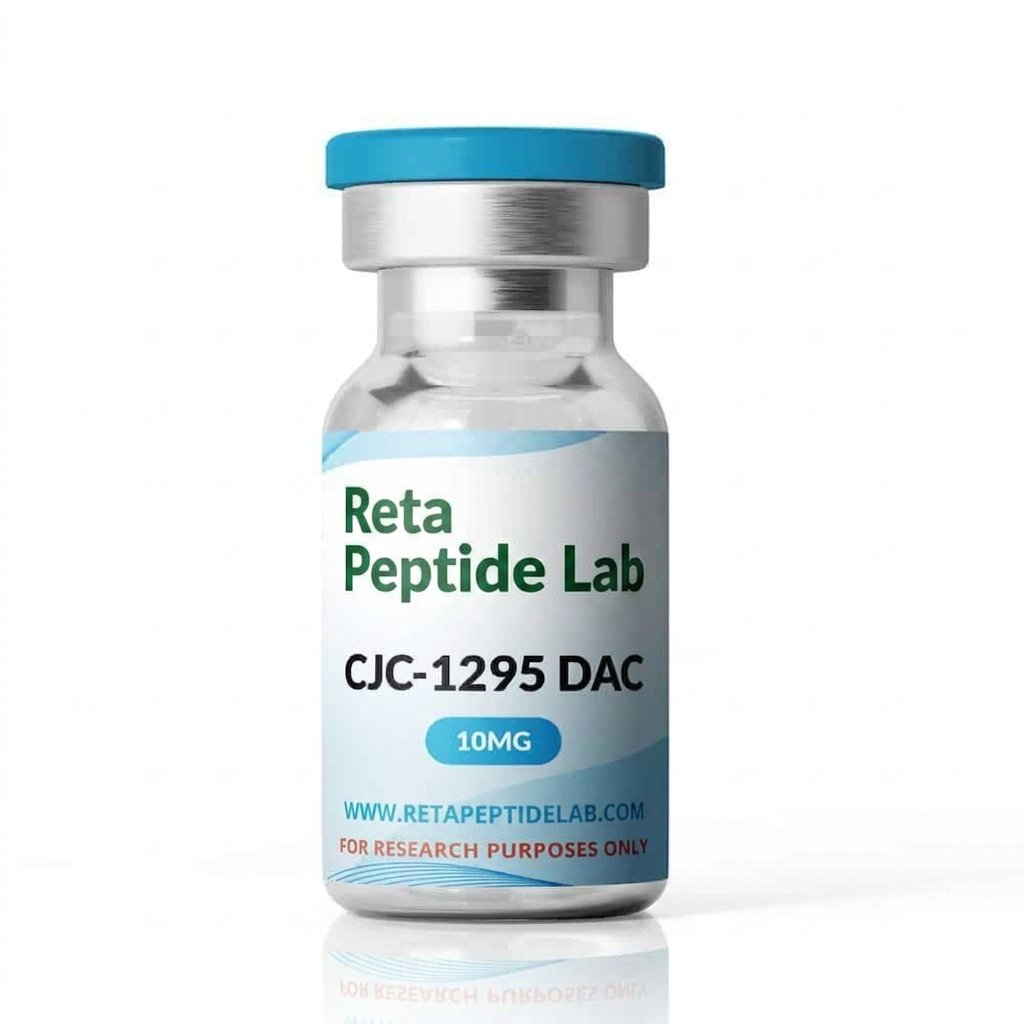
Understanding the Drug Affinity Complex (DAC) For researchers studying Growth Hormone-Releasing Hormone (GHRH) analogues, distinguishing between CJC-1295 With DAC and CJC-1295 Without DAC is critical. The primary difference lies in their structural modifications and resulting pharmacokinetics. CJC-1295 Without DAC (Modified GRF 1-29) This variant is a 29-amino acid peptide. Its molecular structure allows it to bind to GHRH receptors to trigger a short, intense spike in GH levels. Its half-life in a physiological medium is roughly 30 minutes. Researchers utilize this variant when studying natural, pulsatile endocrine responses. CJC-1295 With DAC The addition of the Drug Affinity Complex (DAC) significantly alters the peptide’s behavior. The DAC allows the peptide to bind to endogenous blood proteins, specifically albumin. This binding protects the peptide from rapid enzymatic degradation, extending its half-life from 30 minutes to up to 8 days. Comparative Laboratory Applications In laboratory models, CJC-1295 With DAC is utilized to observe the effects of a continuous, elevated GH bleed over a prolonged period. Conversely, CJC-1295 Without DAC is preferred for studies attempting to mimic the natural, episodic release of GH without prolonged receptor downregulation. Disclaimer: Reta Peptide Lab supplies these compounds exclusively for scientific evaluation and not for human administration.
CJC-1295 Without DAC vs Ipamorelin: Researching Growth Hormone Secretagogues
Introduction to GH Secretagogues Growth hormone secretagogues (GHS) are synthetic peptides designed to stimulate the secretion of endogenous growth hormone. Two of the most heavily researched compounds in this class are CJC-1295 Without DAC (Modified GRF 1-29) and Ipamorelin. Ipamorelin: High Specificity Ipamorelin is a pentapeptide that binds to the ghrelin/GHS receptor. In laboratory models, it is noted for its high specificity. Unlike other secretagogues such as GHRP-2 or GHRP-6, Ipamorelin does not significantly elevate cortisol or prolactin levels in vitro, making it a highly targeted tool for evaluating GH release without secondary endocrine interference. CJC-1295 Without DAC: Amplifying the Signal CJC-1295 Without DAC acts on the Growth Hormone-Releasing Hormone (GHRH) receptor. It functions by amplifying the natural pulsatile release of GH. Because it lacks the Drug Affinity Complex (DAC), its half-life is relatively short (approximately 30 minutes), mimicking a natural physiological spike rather than a sustained elevation. The Combined Research Application Researchers often combine these two peptides because they operate on entirely different receptors. The simultaneous activation of the GHRH receptor (via CJC-1295) and the GHS receptor (via Ipamorelin) results in a synergistic, rather than additive, release of GH in cellular models. This makes the pairing incredibly valuable for studying endocrine pathways and cellular growth mechanisms. Disclaimer: These compounds are intended solely for in vitro laboratory studies.

BPC-157 & Thymosin Beta-4 (TB-500): Why Is This Combination Extensively Studied in Regeneration?
The Science Behind BPC-157 and TB-500 Within the field of regenerative research, the combination of BPC-157 and Thymosin Beta-4 (TB-500) has become one of the most widely evaluated pairings. Both compounds exhibit distinct, yet highly complementary mechanisms of action when studied in cellular environments. Understanding BPC-157 in Research BPC-157 (Body Protection Compound-157) is a synthetic pentadecapeptide. In vitro studies consistently highlight its angiogenic properties—specifically its ability to upregulate the Vascular Endothelial Growth Factor (VEGF) pathway. By promoting the formation of new blood vessels, BPC-157 facilitates the delivery of oxygen and nutrients to compromised cellular structures. The Role of TB-500 TB-500, a synthetic fraction of Thymosin Beta-4, complements BPC-157 by modulating actin. This process allows for rapid cellular migration to the site of structural disruption. Synergy in Tissue Regeneration Models Researchers frequently pair these two peptides to study their combined effects on tendon, ligament, and muscle tissue models. The prevailing hypothesis is that while BPC-157 accelerates angiogenesis and blood flow, TB-500 simultaneously ensures that regenerative cells can migrate efficiently to the required area. This creates a highly efficient, two-pronged regenerative response in laboratory settings. Disclaimer: All products available through Reta Peptide Lab are strictly for laboratory research use only.
GHK-Cu & Thymosin Beta-4 (TB-500): A Research Combination for Tissue Remodeling
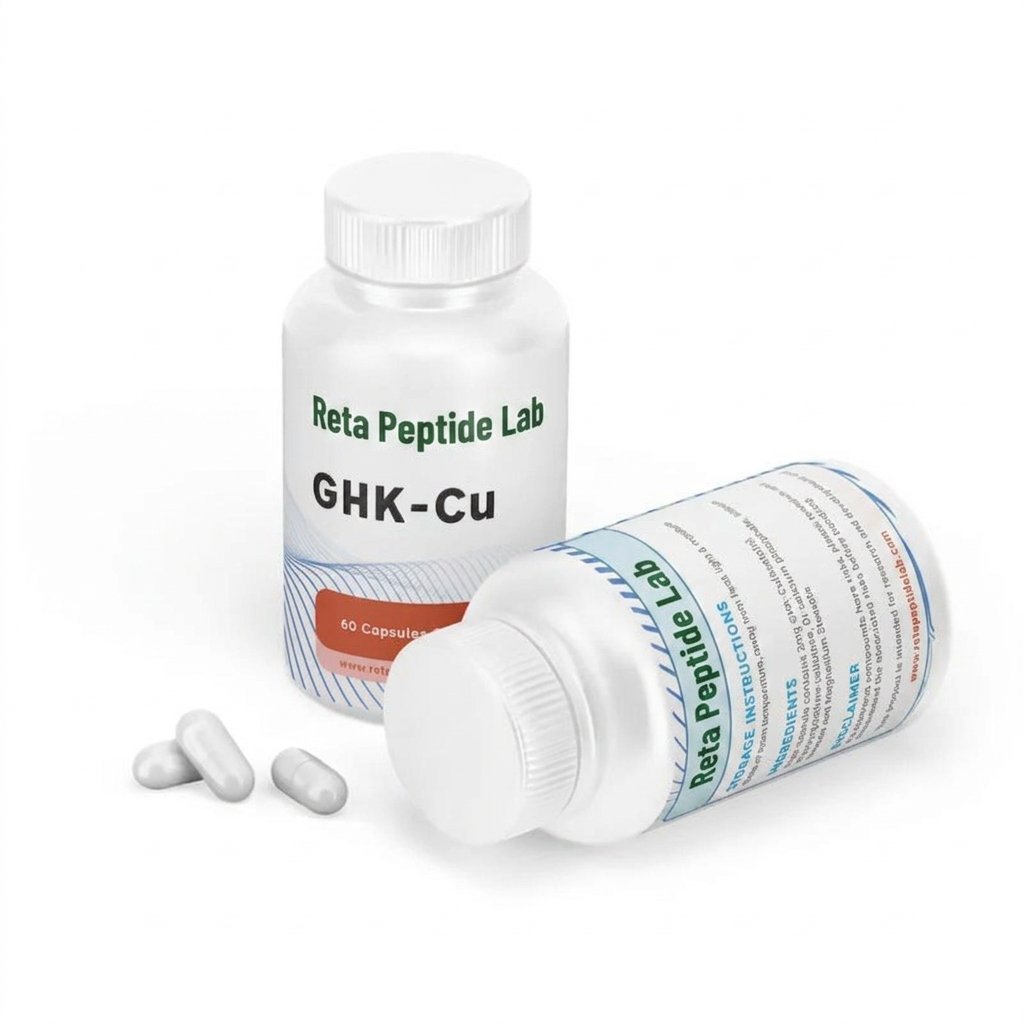
Introduction to GHK-Cu and TB-500 In recent years, the intersection of molecular biology and cellular regeneration has focused extensively on peptide combinations. Among the most studied are the copper-binding peptide GHK-Cu and Thymosin Beta-4 (TB-500). When investigated in isolated laboratory environments, this combination has shown unique synergistic properties regarding extracellular matrix remodeling and cellular migration. GHK-Cu: Molecular Mechanisms GHK-Cu (Glycyl-L-histidyl-L-lysine copper) is renowned for its high affinity to copper ions. Research indicates that it influences multiple genetic pathways associated with structural integrity. In vitro studies demonstrate its ability to modulate the production of collagen, elastin, and glycosaminoglycans, which are foundational to cellular architecture. Thymosin Beta-4 (TB-500): Actin Upregulation Thymosin Beta-4 acts primarily as an actin-sequestering protein. In cellular models, TB-500 has been observed to upregulate actin, which facilitates cellular mobility. This migration is a critical phase in the cellular response to structural damage. The Synergistic Research Combination When evaluated together, researchers observe that TB-500 provides the necessary cellular mobility framework, while GHK-Cu signals the synthesis of structural proteins. This dual-action mechanism makes the combination highly relevant for in vitro investigations focusing on tissue regeneration and wound healing models. Disclaimer: GHK-Cu and TB-500 supplied by Reta Peptide Lab are exclusively for in vitro laboratory research and are not intended for human consumption or therapeutic use.
AMPK Peptide: Metabolic Pathway Activation
As laboratories across the globe continue to investigate amino acid sequencing, certain compounds have shown remarkable potential in controlled environments. This article focuses on ampk peptide. Structural Characteristics The sequence of this specific compound is designed to mimic naturally occurring proteins while resisting rapid enzymatic degradation. This extended half-life allows for more prolonged observation during laboratory trials. Scientists rely on high-performance liquid chromatography (HPLC) to verify the purity of these structures before initiating any controlled experiments. For high-quality materials to support your studies, explore our verified AMPK Peptide available for researchers in the UK and Europe. Evaluating Purity and Documentation When sourcing peptides for scientific study, the presence of verified laboratory documentation cannot be overstated. A Certificate of Analysis (CoA) ensures that the compound meets the required 99%+ purity threshold. Impurities can introduce variables that skew data, making it essential to acquire research chemicals from a trusted supplier. Further Reading To cross-reference the latest clinical data and peer-reviewed studies regarding peptide mechanisms, we recommend consulting resources such as ScienceDirect. Disclaimer: All products provided by Reta Peptide Lab are exclusively for research purposes. They are not for human consumption.
B7-33: Relaxin Receptor Agonist
In the rapidly evolving field of scientific research, understanding the structural and functional mechanisms of peptides has become paramount. Today, we delve into b7-33 peptide. Research Applications Current literature suggests that the primary application for this compound involves the study of metabolic and restorative pathways. When introduced to cellular cultures, the peptide acts as a signaling molecule, initiating a cascade of biological responses. Researchers are particularly interested in its potential to influence gene expression and protein synthesis over extended periods. For high-quality materials to support your studies, explore our verified B7-33 available for researchers in the UK and Europe. Evaluating Purity and Documentation When sourcing peptides for scientific study, the presence of verified laboratory documentation cannot be overstated. A Certificate of Analysis (CoA) ensures that the compound meets the required 99%+ purity threshold. Impurities can introduce variables that skew data, making it essential to acquire research chemicals from a trusted supplier. Further Reading To cross-reference the latest clinical data and peer-reviewed studies regarding peptide mechanisms, we recommend consulting resources such as PubMed Central. Disclaimer: All products provided by Reta Peptide Lab are exclusively for research purposes. They are not for human consumption.