
Introduction to GH Secretagogues
Growth hormone secretagogues (GHS) are synthetic peptides designed to stimulate the secretion of endogenous growth hormone. Two of the most heavily researched compounds in this class are CJC-1295 Without DAC (Modified GRF 1-29) and Ipamorelin.
Ipamorelin: High Specificity
Ipamorelin is a pentapeptide that binds to the ghrelin/GHS receptor. In laboratory models, it is noted for its high specificity. Unlike other secretagogues such as GHRP-2 or GHRP-6, Ipamorelin does not significantly elevate cortisol or prolactin levels in vitro, making it a highly targeted tool for evaluating GH release without secondary endocrine interference.
CJC-1295 Without DAC: Amplifying the Signal
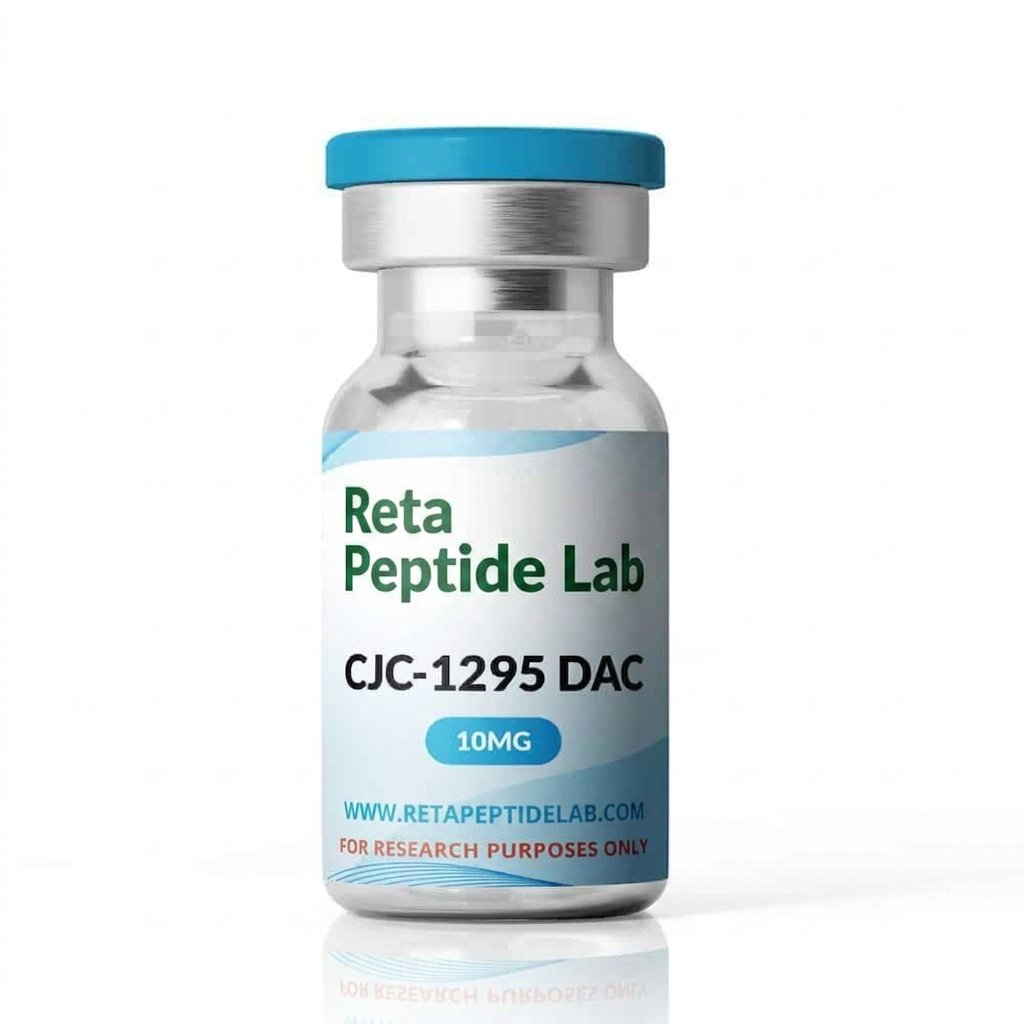
CJC-1295 Without DAC acts on the Growth Hormone-Releasing Hormone (GHRH) receptor. It functions by amplifying the natural pulsatile release of GH. Because it lacks the Drug Affinity Complex (DAC), its half-life is relatively short (approximately 30 minutes), mimicking a natural physiological spike rather than a sustained elevation.
The Combined Research Application
Researchers often combine these two peptides because they operate on entirely different receptors. The simultaneous activation of the GHRH receptor (via CJC-1295) and the GHS receptor (via Ipamorelin) results in a synergistic, rather than additive, release of GH in cellular models. This makes the pairing incredibly valuable for studying endocrine pathways and cellular growth mechanisms.
Disclaimer: These compounds are intended solely for in vitro laboratory studies.