
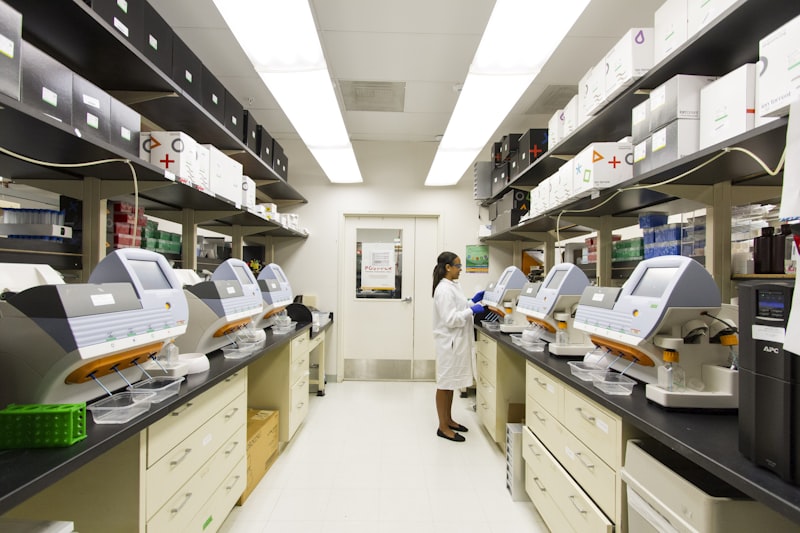
The landscape of molecular biology is continuously expanding, with synthetic and naturally occurring peptides at the forefront of cellular studies. This comprehensive guide explores reconstitute peptides.
Structural Characteristics
The sequence of this specific compound is designed to mimic naturally occurring proteins while resisting rapid enzymatic degradation. This extended half-life allows for more prolonged observation during laboratory trials. Scientists rely on high-performance liquid chromatography (HPLC) to verify the purity of these structures before initiating any controlled experiments.
For high-quality materials to support your studies, explore our verified How to Reconstitute Research Peptides Accurately available for researchers in the UK and Europe.
Laboratory Preparation and Reconstitution
Proper preparation is critical. Lyophilized peptides must be reconstituted using sterile bacteriostatic water or a similar solvent to prevent bacterial contamination. The process requires a gentle swirling motion rather than aggressive shaking, which can fracture the fragile peptide bonds. Once reconstituted, the solution must be stored in a temperature-controlled environment, typically between 2°C and 8°C.
Further Reading
To cross-reference the latest clinical data and peer-reviewed studies regarding peptide mechanisms, we recommend consulting resources such as Journal of Biological Chemistry.
Disclaimer: All products provided by Reta Peptide Lab are exclusively for research purposes. They are not for human consumption.