
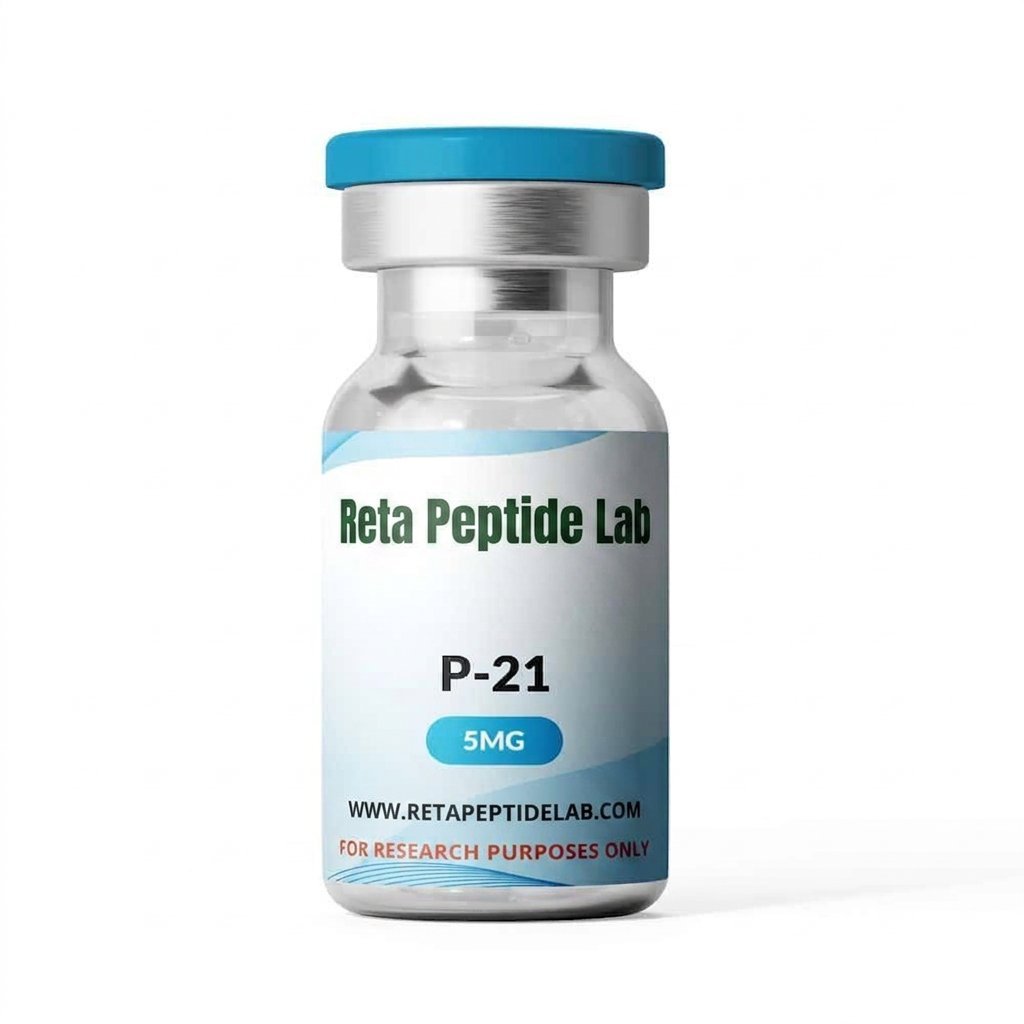

In the rapidly evolving field of scientific research, understanding the structural and functional mechanisms of peptides has become paramount. Today, we delve into nad+ peptide.
Structural Characteristics
The sequence of this specific compound is designed to mimic naturally occurring proteins while resisting rapid enzymatic degradation. This extended half-life allows for more prolonged observation during laboratory trials. Scientists rely on high-performance liquid chromatography (HPLC) to verify the purity of these structures before initiating any controlled experiments.
For high-quality materials to support your studies, explore our verified NAD+ Precursors available for researchers in the UK and Europe.
Laboratory Preparation and Reconstitution
Proper preparation is critical. Lyophilized peptides must be reconstituted using sterile bacteriostatic water or a similar solvent to prevent bacterial contamination. The process requires a gentle swirling motion rather than aggressive shaking, which can fracture the fragile peptide bonds. Once reconstituted, the solution must be stored in a temperature-controlled environment, typically between 2°C and 8°C.
Further Reading
To cross-reference the latest clinical data and peer-reviewed studies regarding peptide mechanisms, we recommend consulting resources such as PubMed Central.
Disclaimer: All products provided by Reta Peptide Lab are exclusively for research purposes. They are not for human consumption.